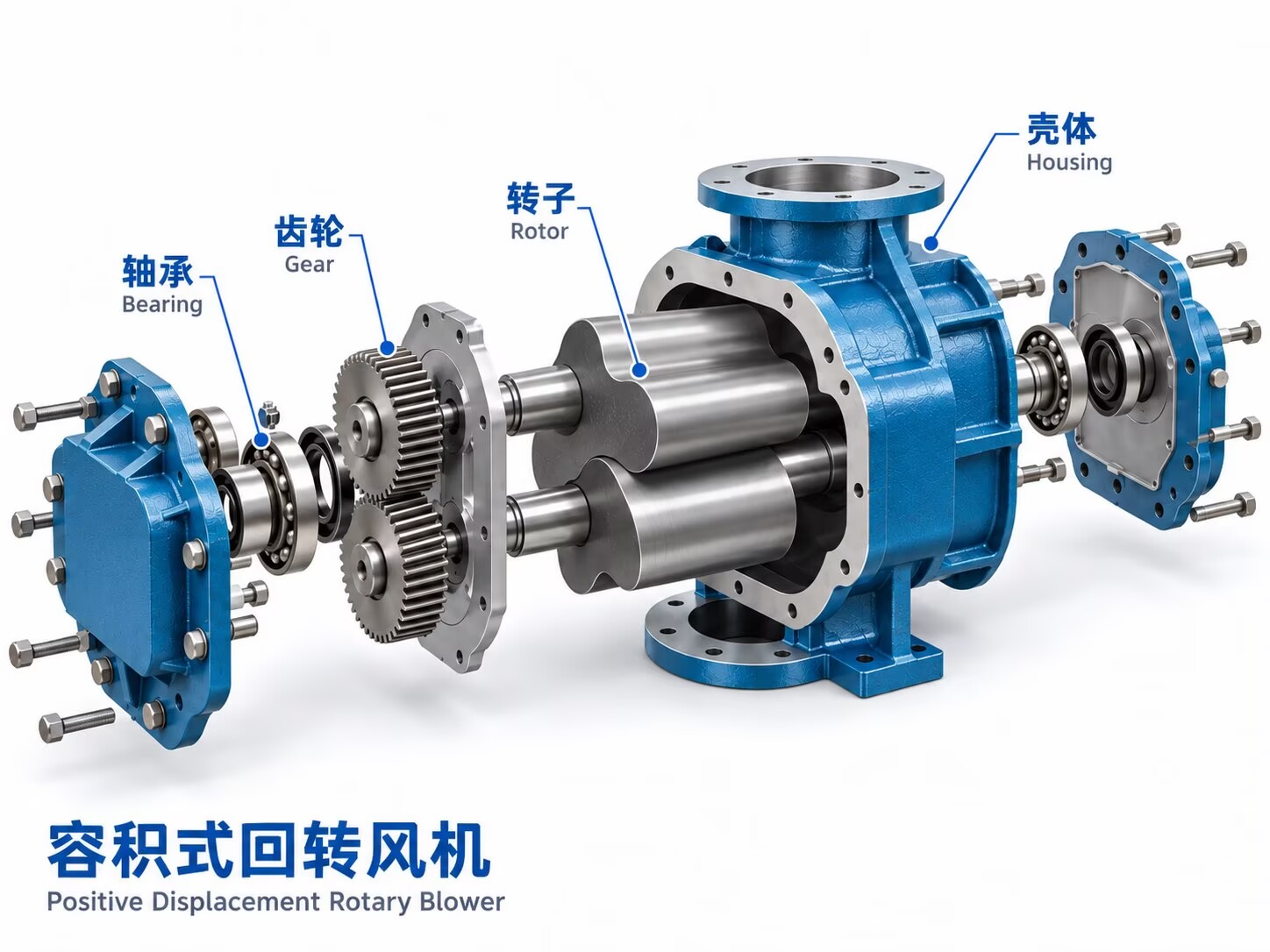
Rotor
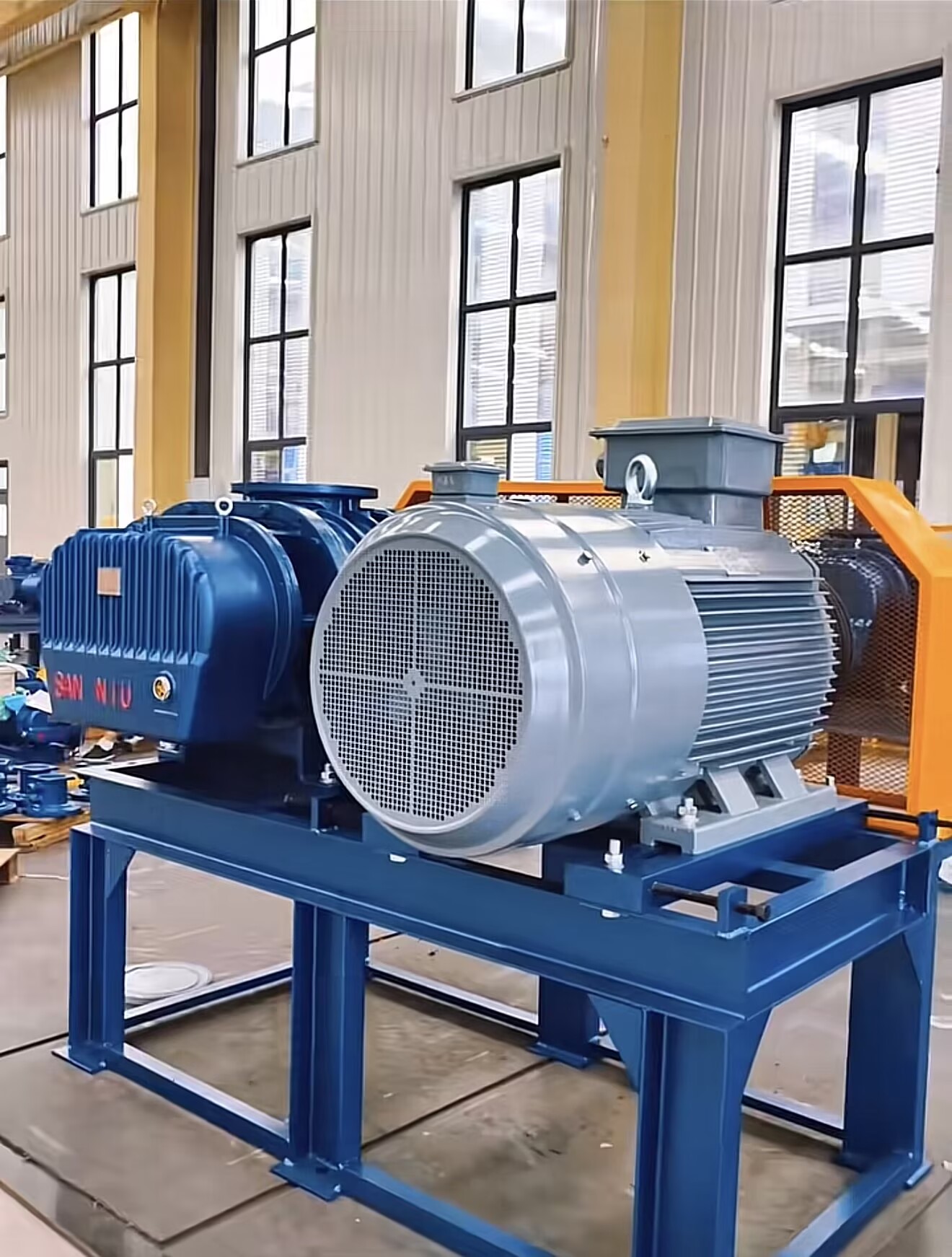
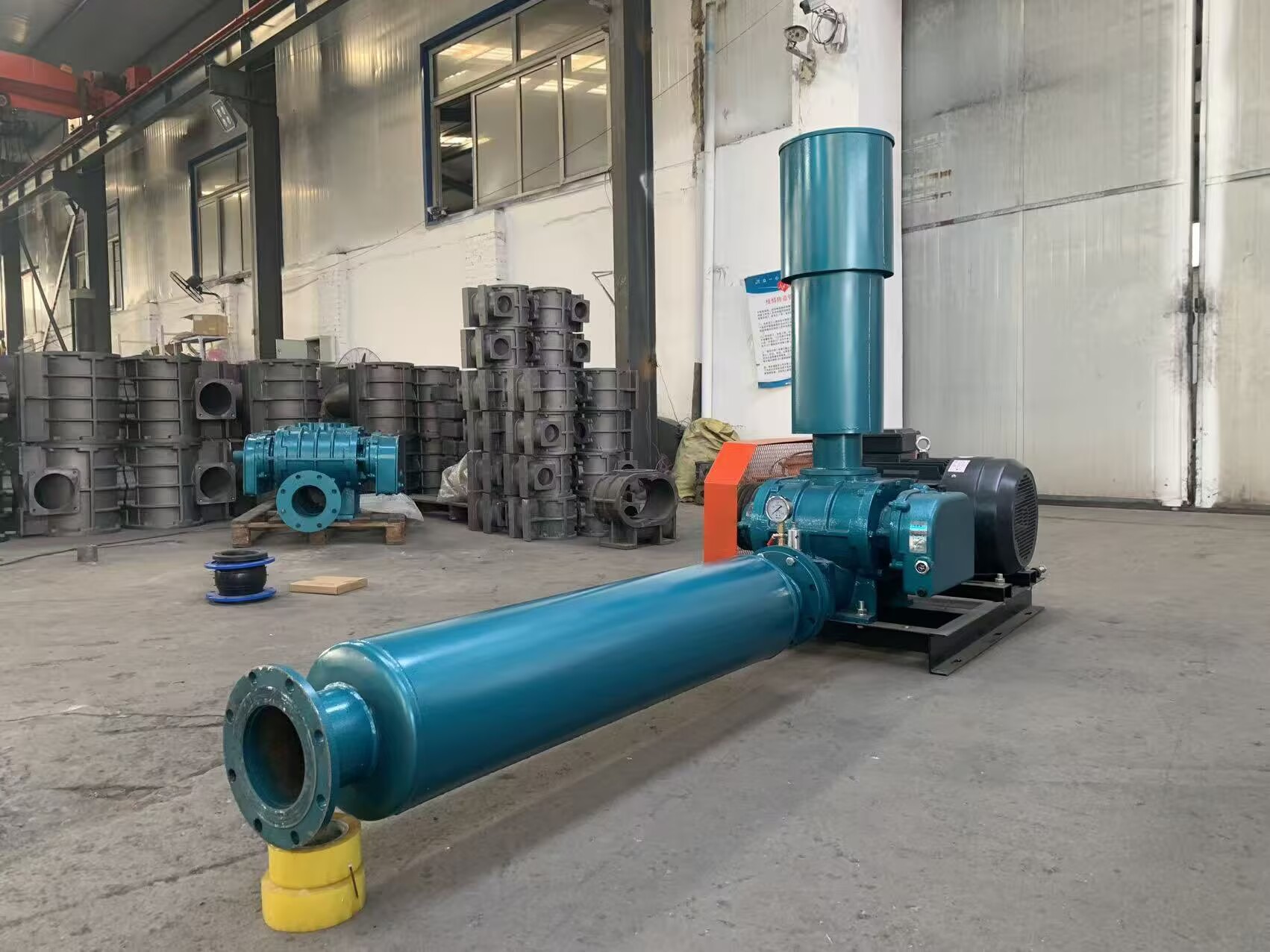
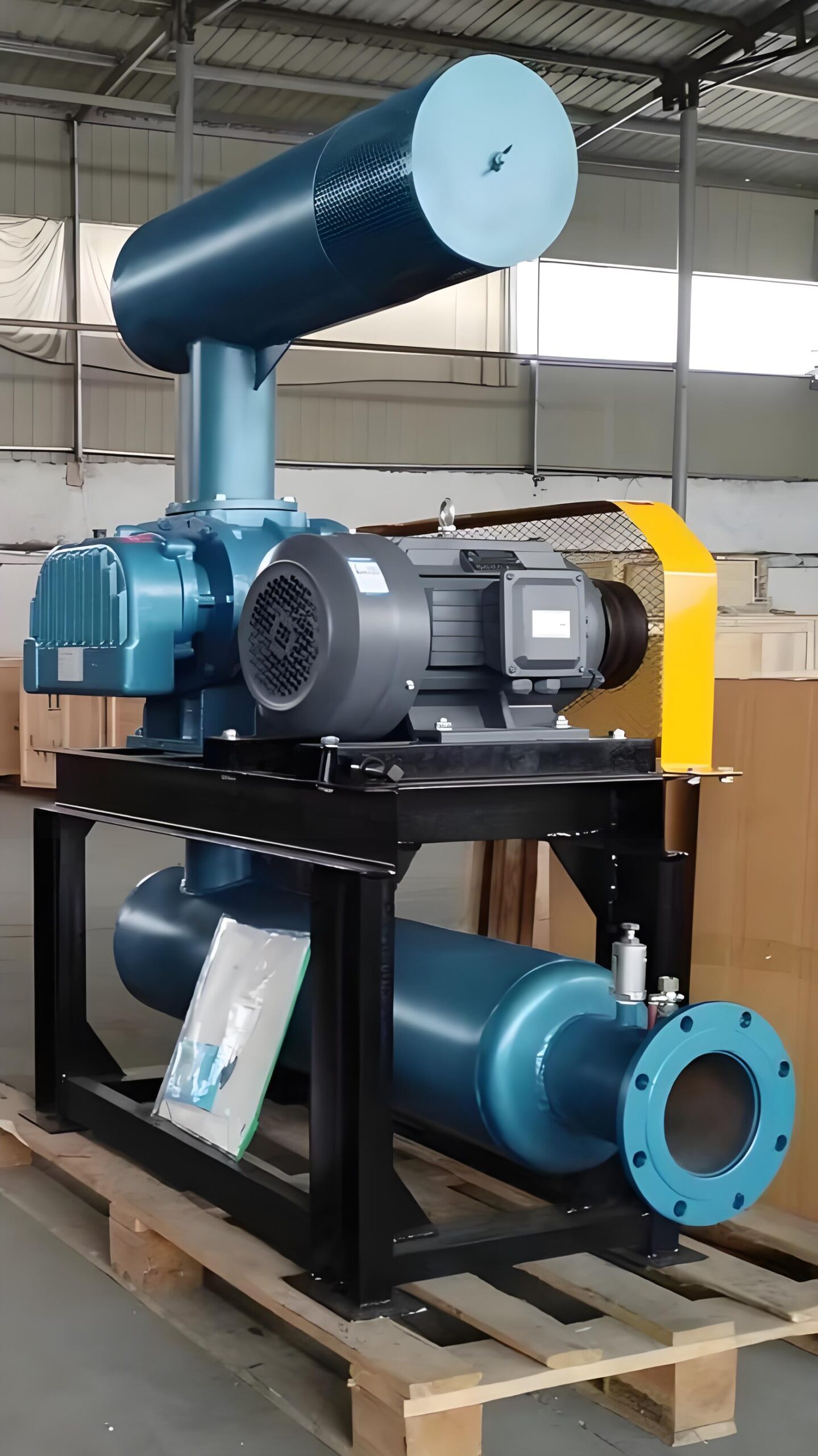
The rotor is the core component of the Roots blower, generating airflow through synchronized rotation.
Gear
The gear maintains precise synchronization between rotors, ensuring stable operation.
Bearing
The bearing supports high-speed rotation and reduces friction for reliable performance.
Housing
The housing protects internal components and provides structural strength and sealing.
Shaft
The shaft transfers power from the drive system to the rotor assembly.
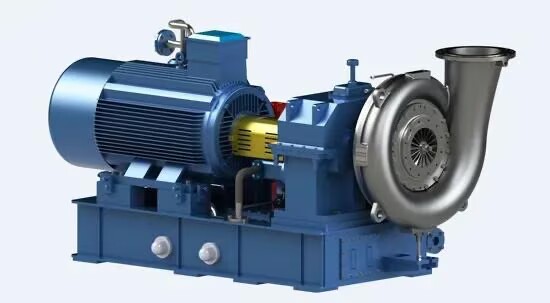
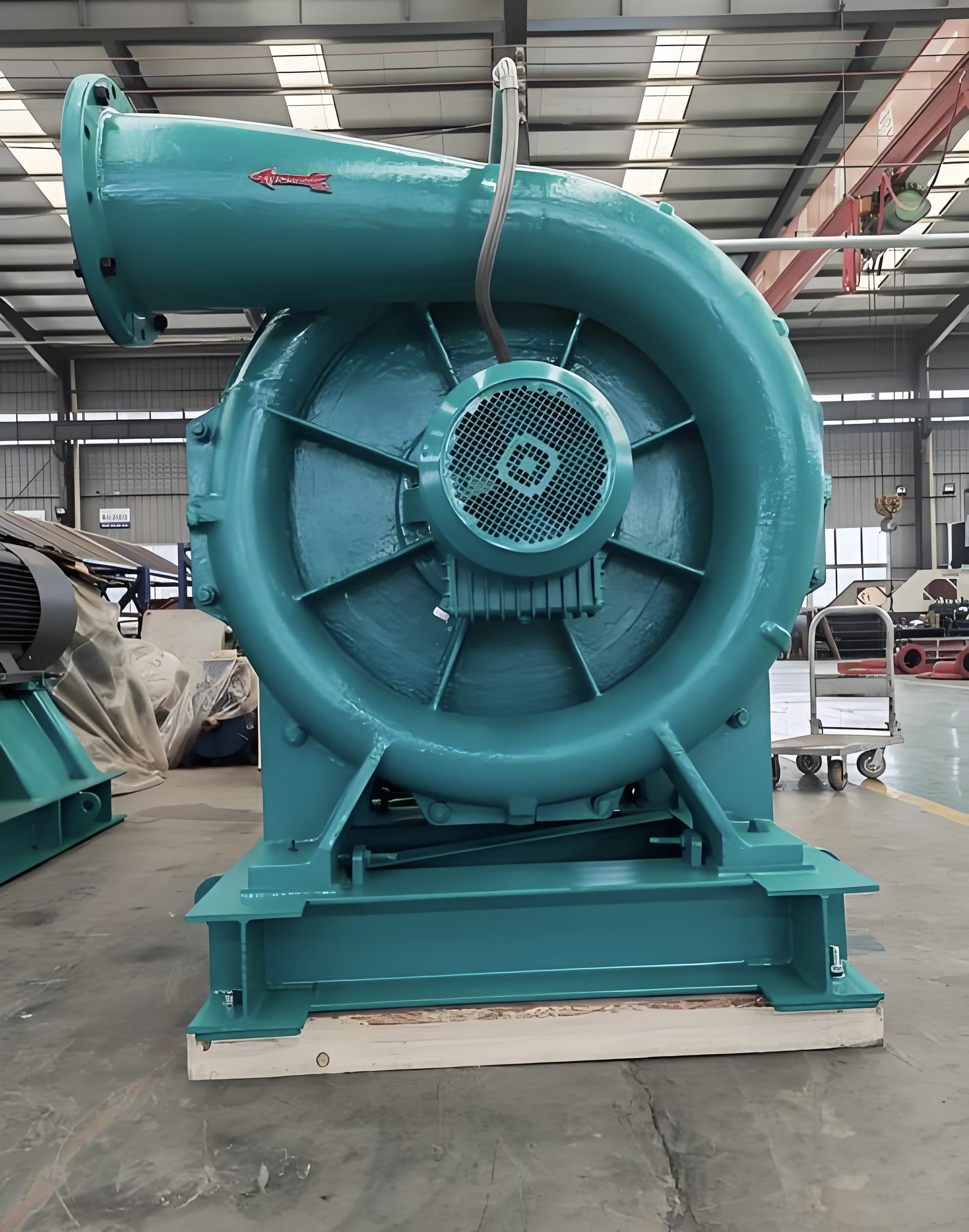
Single-stage Centrifugal Blower
Single-stage Centrifugal Blower
Air Flow: 5–300 m³/min
Pressure: 9.8–98 kPa
High-efficiency impeller design provides stable airflow.Compact structure, reliable operation and easy maintenance.
Applications:
Wastewater treatment, industrial air supply, ventilation systems and various industrial applications.
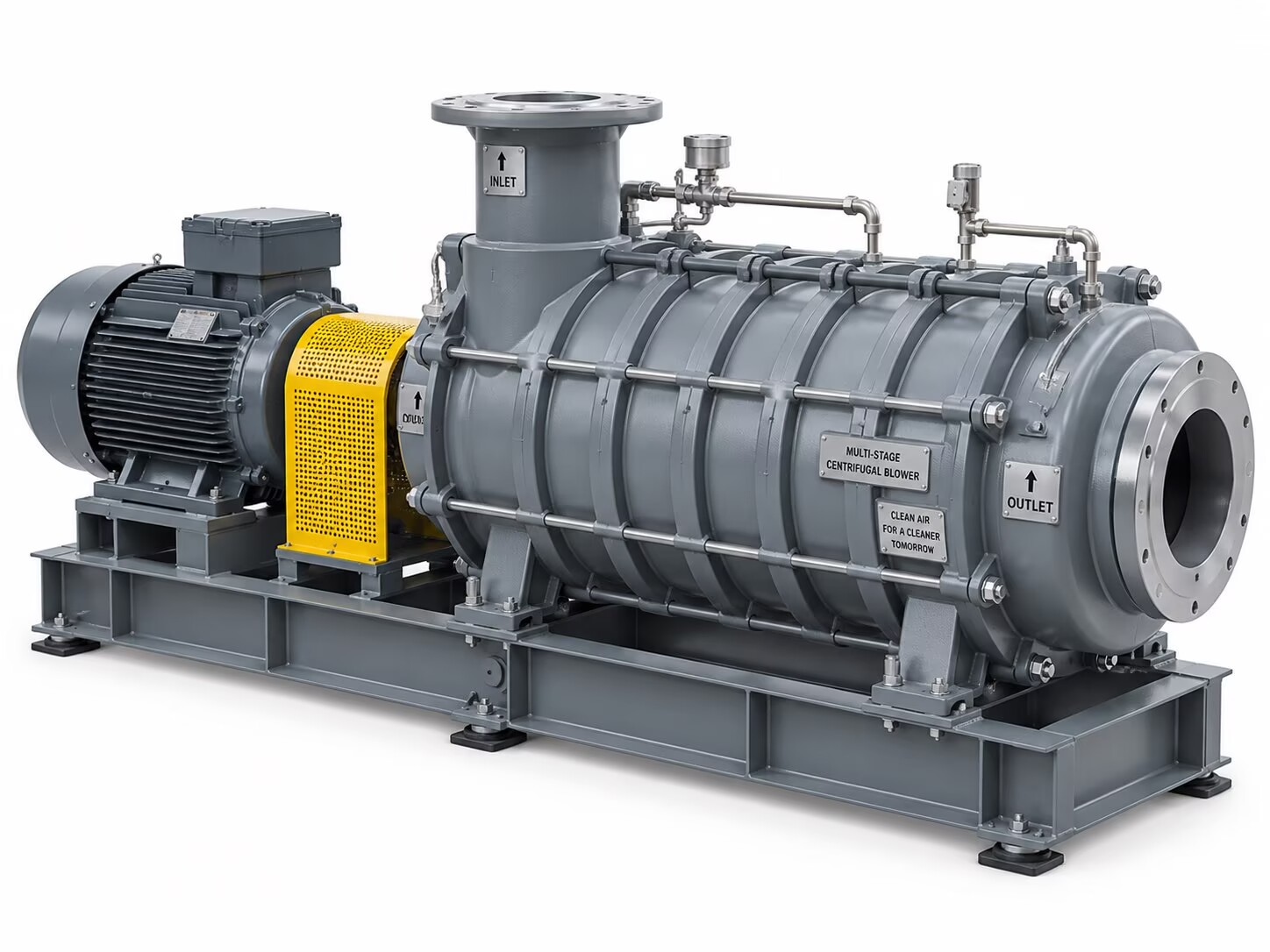
Multi-stage Centrifugal Blower
Multi-stage Centrifugal Blower
Air Flow: 10–500 m³/min
Pressure: 19.6–196 kPa
Multi-stage impeller design provides high pressure airflow.Stable continuous operation with reliable performance.
Applications:
Wastewater treatment, pneumatic conveying, chemical industry and industrial air supply.
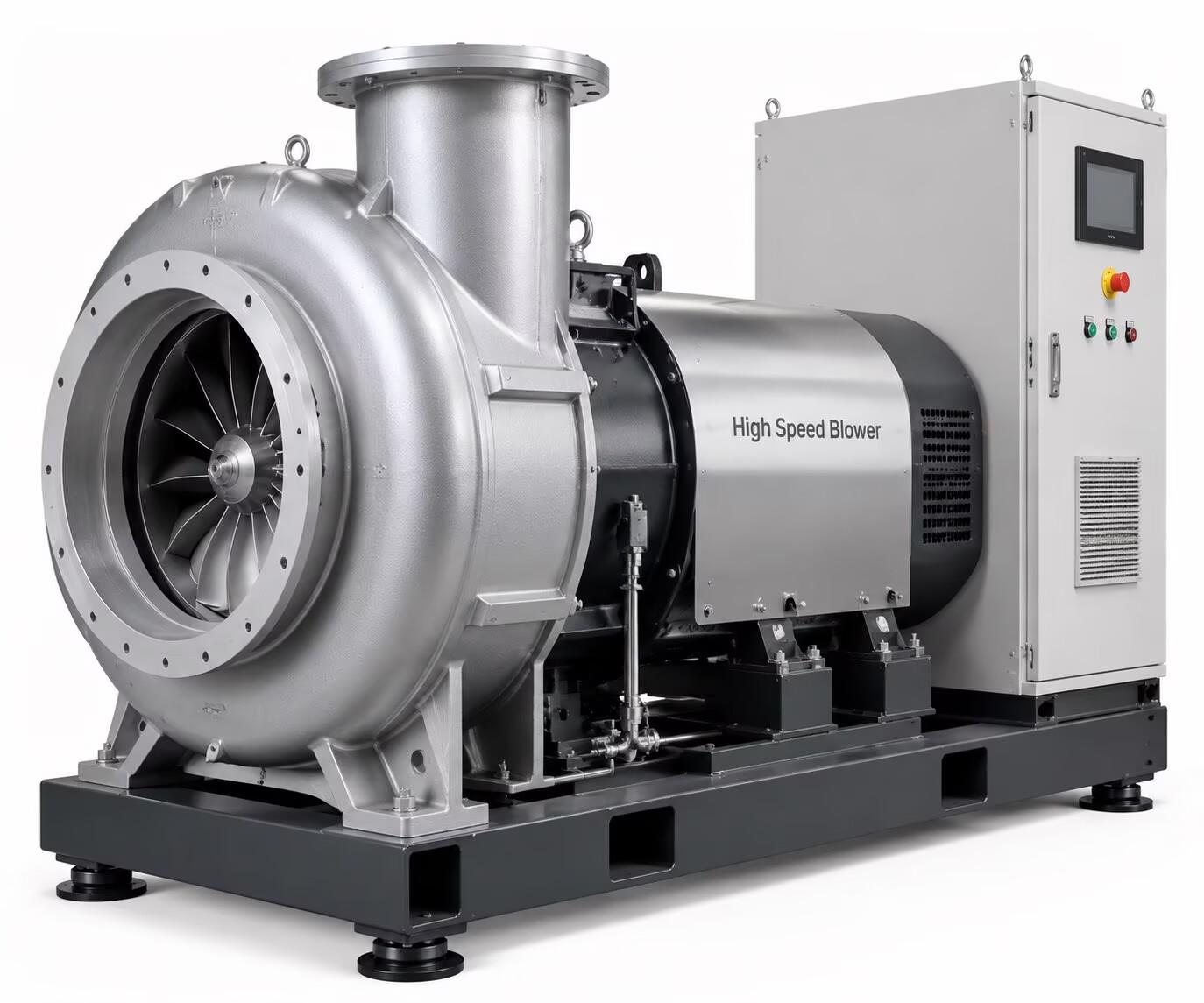
High-Speed Centrifugal Blower
High-Speed Centrifugal Blower
Air Flow: 10–600 m³/min
Pressure: 30–120 kPa
High-speed operation delivers efficient and energy-saving airflow.Low maintenance design with stable performance.
Applications:
Wastewater treatment aeration, energy-saving industrial systems and high-demand air supply applications.
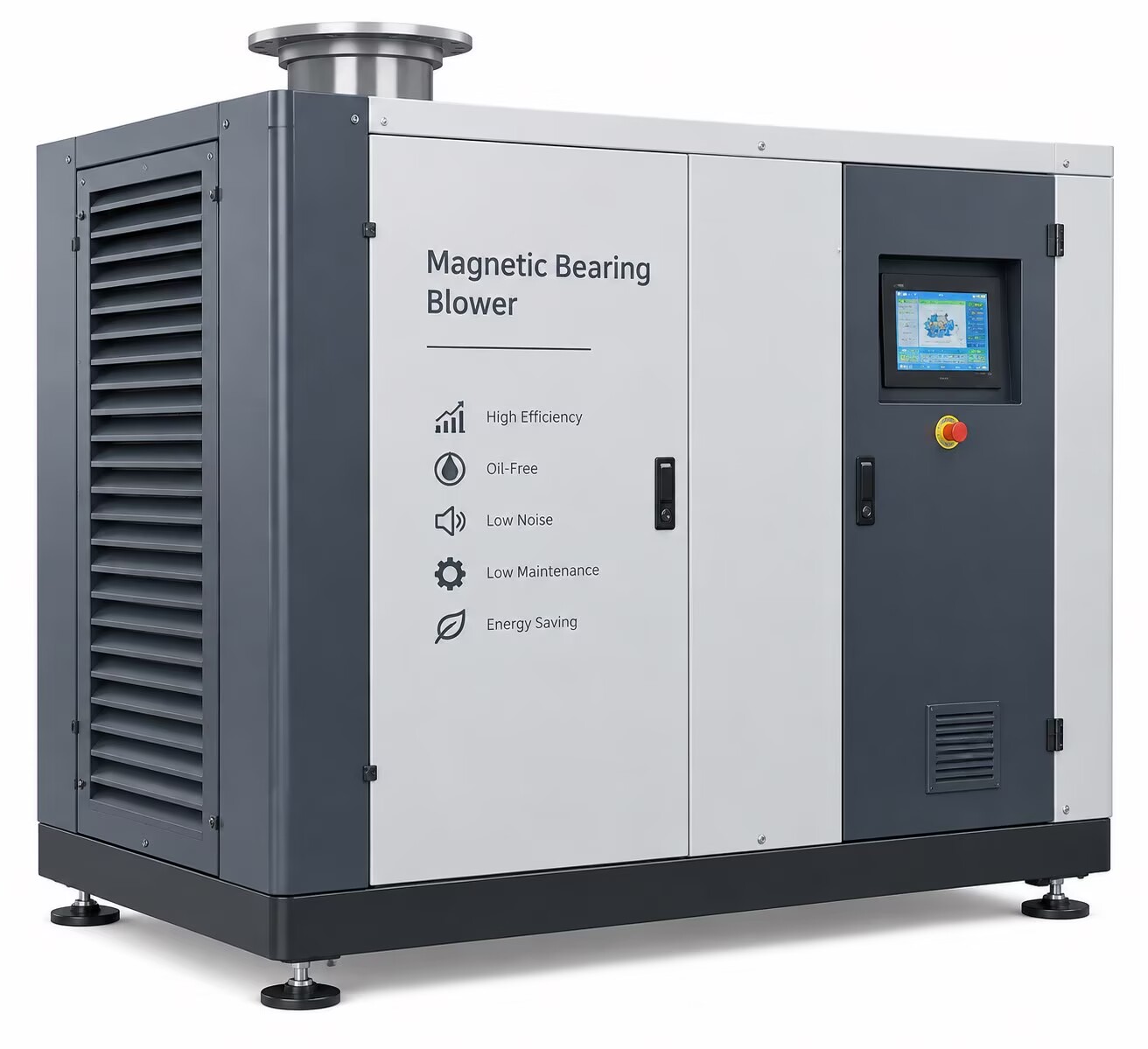
Magnetic Bearing Blower
Magnetic Bearing Centrifugal Blower
Air Flow: 10–600 m³/min
Pressure: 30–120 kPa
Oil-free magnetic bearing technology provides highly efficient and reliable airflow. With no mechanical contact, it offers low noise, low vibration, and minimal maintenance requirements.
Applications:
Wastewater treatment aeration, energy-saving industrial systems, clean air supply, and other high-demand industrial applications.
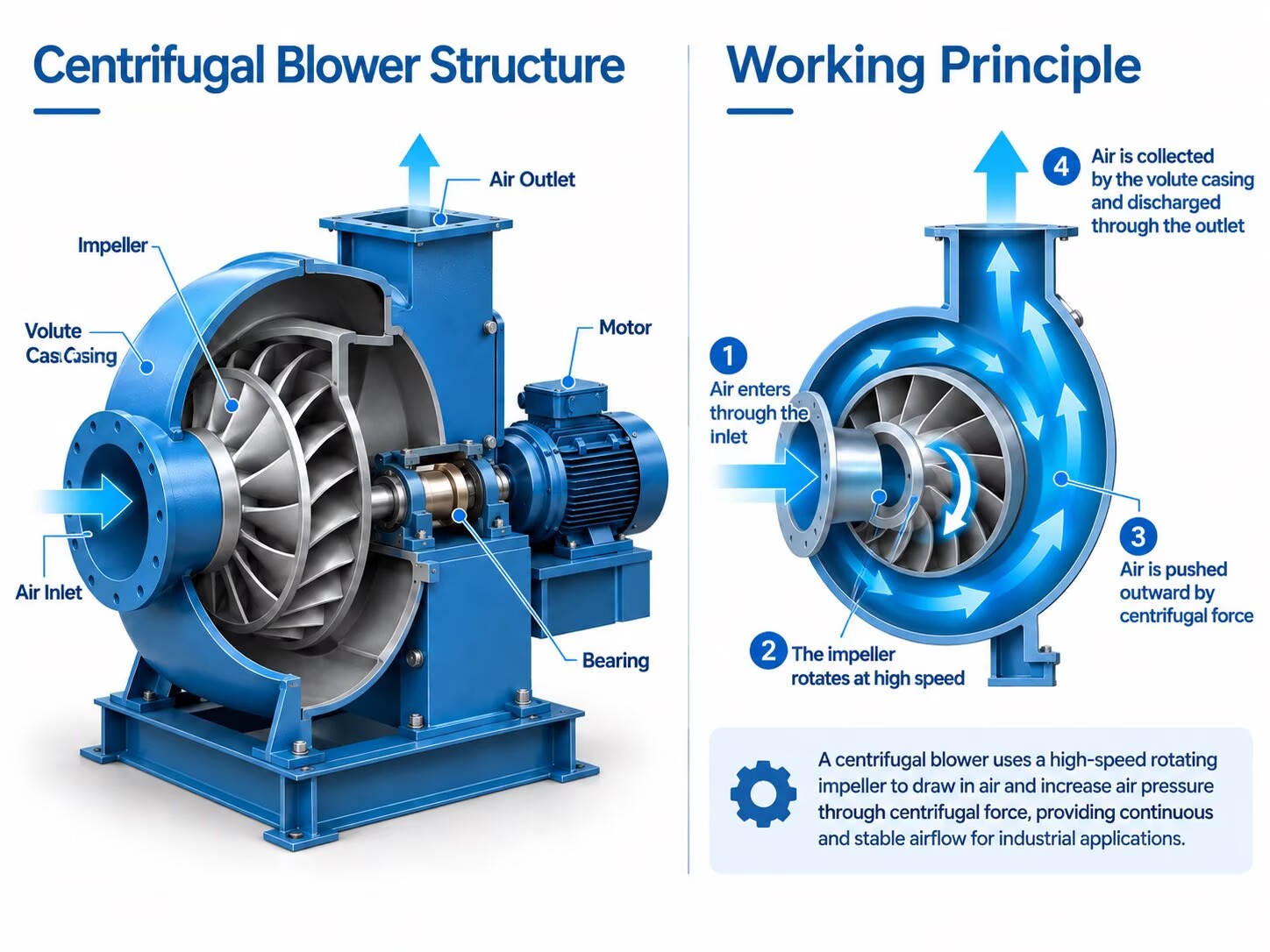
A centrifugal blower mainly consists of an impeller, volute casing, motor, shaft, bearings, air inlet, and air outlet. The impeller is the core component that generates airflow, while the volute casing collects and converts airflow energy into pressure. During operation, the high-speed rotating impeller draws air through the inlet and increases air velocity by centrifugal force. The kinetic energy is converted into pressure energy, and the pressurized air is collected by the volute casing and discharged through the outlet, providing continuous and stable airflow for various industrial applications.